
Founder and writer, freegovernmentiphones.org · Buffalo, New York
Arthur “Art” Patch is a former office administrator from Buffalo, New York who has spent seven years learning the U.S. benefits system from the applicant’s side of the desk. After a 2019 layoff he applied for unemployment, SNAP, heating assistance, and Lifeline phone service — getting denied, delayed, and misinformed along the way. Since then he has personally guided more than thirty people through the same applications. He writes every page on this site and answers every message that comes through it.
Art has spent most of his working life in customer service and office administration on Buffalo’s East Side. In February 2019 the company he’d worked at for eleven years closed its Buffalo office, and forty-two people — Art among them — were out of work in a week.
The year that followed was his education in how federal assistance actually works. He applied for unemployment and got it. He applied for SNAP and was denied twice over a single missing pay stub. He learned that New York’s heating assistance program existed about two weeks after he’d emptied his savings on a gas bill he never had to pay in full. And he found out that discounted phone service existed only because a woman ahead of him in a line at the social services office said the word “Lifeline” out loud.
What happened next is why this site exists. Word traveled around his building that he’d worked the system out, and people started asking. His neighbor Gloria, a retired school aide applying for SNAP for the first time at 71. Then her son. Then a former coworker. Then his sister. Since 2019, Art has sat down with more than thirty people and worked through their applications line by line — food assistance, phone and internet programs, heating help, housing.
He writes the guides he couldn’t find in 2019: plain English, dated, sourced to the agencies that actually run the programs, and honest about what goes wrong.
Art also founded GovBudgets.com, which covers government assistance programs more broadly. freegovernmentiphones.org is the narrower, deeper project — one program, one badly-answered question.
Why He’s Qualified to Write This
Art holds no professional license, and this site doesn’t pretend otherwise. What he has is direct, repeated, documented experience:
| Experience | What it covers |
|---|---|
| Personal applicant, 2019–present | Unemployment, SNAP, HEAP, and Lifeline — including two denials and a three-attempt verification process |
| 30+ assisted applications since 2019 | Kitchen-table walkthroughs for neighbors, family, and former coworkers across multiple programs |
| Provider research | Direct contact with Lifeline providers about device stock, with dates logged and published |
| Device availability tracking | A dated log of what iPhone models providers actually list, checked on a recurring schedule |
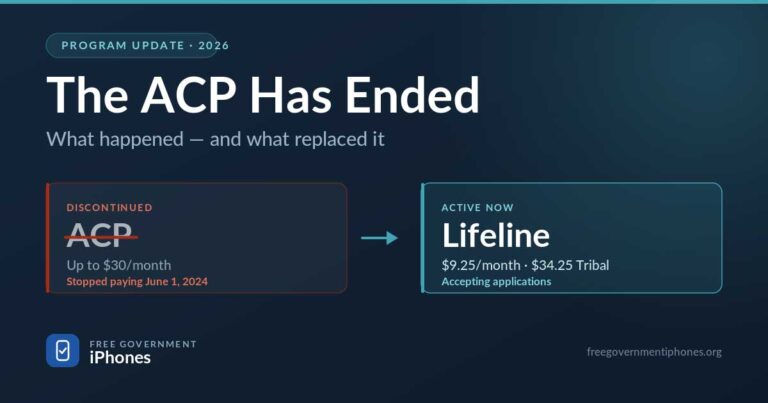
| Seven years watching this niche | Including the rise and collapse of the ACP, and the scam ecosystem that grew around both |
What He Doesn’t Claim
Being clear about limits is part of being trustworthy on a subject like this.
Areas He Writes About
Editorial Standards
Every page Art publishes carries a visible “Last verified” date, cites primary .gov sources for program facts, and states plainly where the information is state-specific or uncertain. Errors are logged publicly on the corrections page. The full rules are in the editorial policy.
Contact
Questions, corrections, and provider tips are all welcome through the contact page. Art reads and answers messages himself.
Published on This Site
End of content
End of content